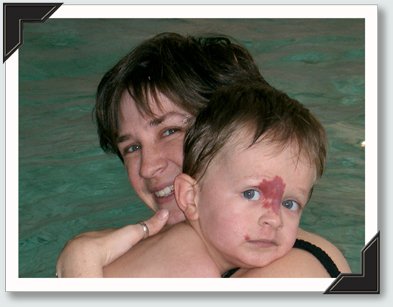
Welcome to Clae’s webpage.
This website is designed in memory of our beautiful baby boy Clae. He was just 2 years, 2 months and 2 days when he contracted bacterial meningitis and died in my arms. It was the hardest day of my husbands and my life, we’ve never felt such intense helplessness or cried so hard and for so long. There is a hole in our hearts that will never heal.
So his death has inspired this site, not only to educate people on Birthmarks, Meningitis and how to cope with the loss of a child, but also to knock down some prejudices we all have.
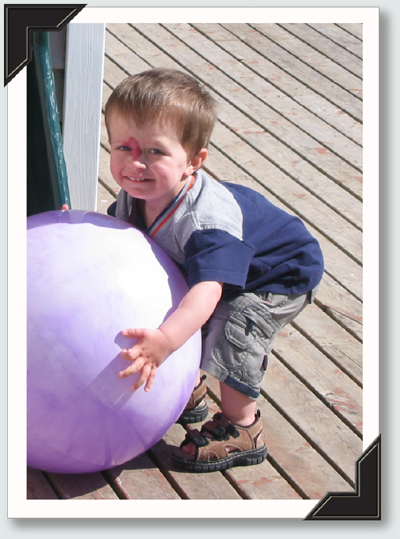
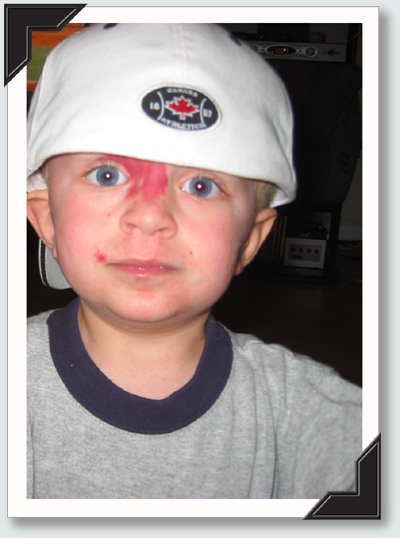
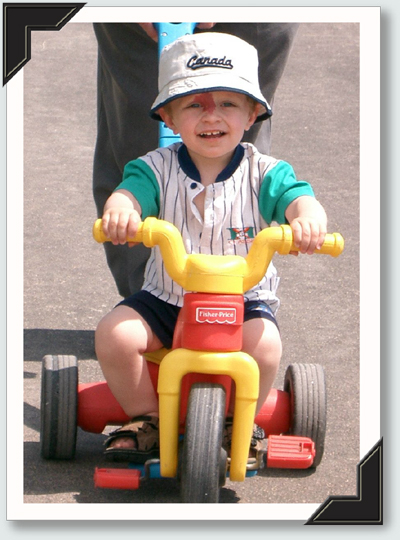
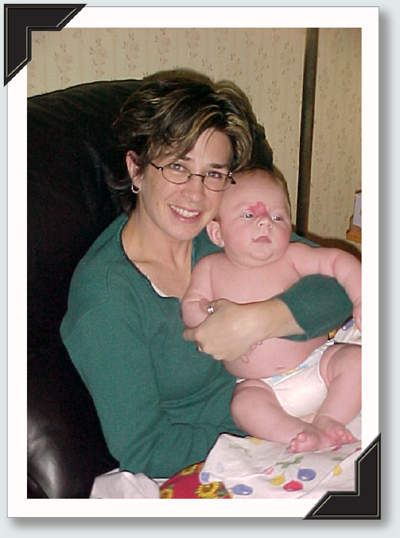
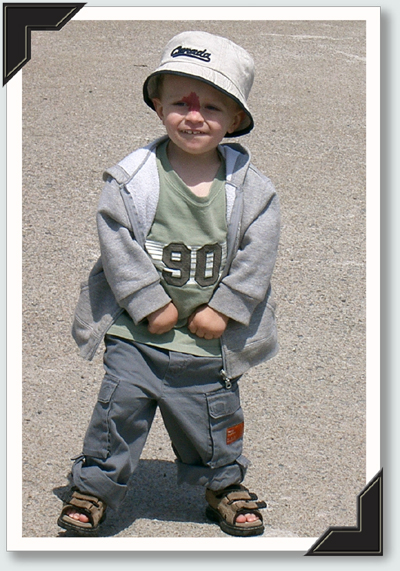
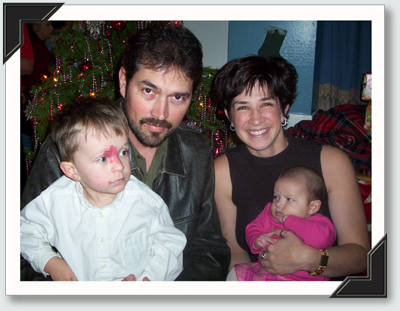
I think we all have preconceived ideas of how a “normal” person should look or act. When someone doesn’t fit into that criteria we tend to look at him or her differently. Clae was born with a facial birthmark or Port Wine Stain (PWS). He was no different from any other child but was looked at differently by others. Many of you that are reading this right now may have just stumbled upon this site and may have never seen a PWS before. What was your first thought, once you looked at the photo of our little boy? I bet it wasn’t that he was handsome. Even though now that you look again, past his PWS you can see that he was. You probably thought “ oh, that poor child,” or “ is that a burn” or even may have questioned his mental status. But that’s okay… we all have these thoughts of someone that looks different. Society has made us think this way… sadly. What I want to do is make you realize that we all subconsciously do this, so next time when you see someone that may look different from what society considers the “norm” you may react differently to that person and look past the imperfection, at the person within.
In the section about Birthmarks I talk about a syndrome called Sturge Webber syndrome or SWS. This syndrome can bring on glaucoma or seizures. Clae was tested for this and was found not to have it. I want to let you know that Doctors are not immune to this preconception that we all have. When we were in the emergency room that fateful night, even the Doctors thought Clae’s posturing, brought on by the pressure on his brain from the meningitis, were asking if this was normal behavior for him. You see, the doctors saw a little boy come into emergency with a PWS, seizing. It’s natural for them to assume he had SWS. Even though we are upset that the slow diagnosis of meningitis assisted in our sons death, I can’t really blame the Doctors for something I’ve been guilty of in the past myself. We have all made assumptions of someone simply by their appearances and I truly wish it hadn’t happened that night. But it did. So let’s make sure it doesn’t happen again. Please, next time you make a first impression, think about if it was simply on appearances alone.
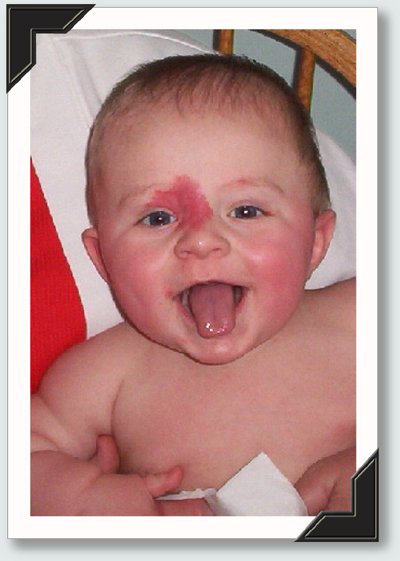
babytongue
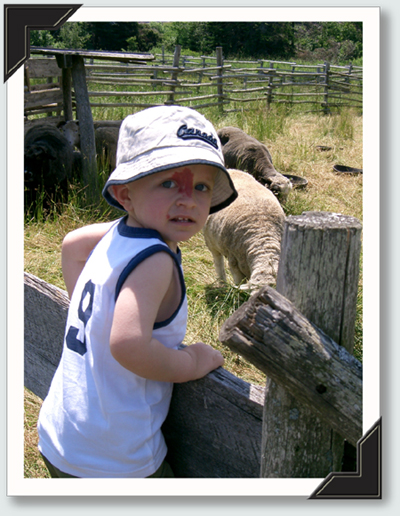
at-farm2
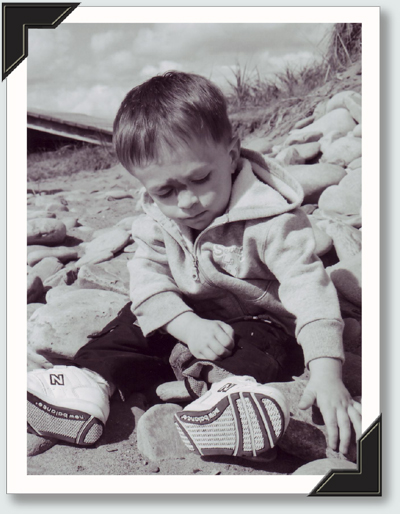
beach
big-ball
big-blue-eyes
biking

by-grandma-nora-gross
by-grandma-nora-gross-2
chunky-lad
clae-pose
driving
family
family-2

jump
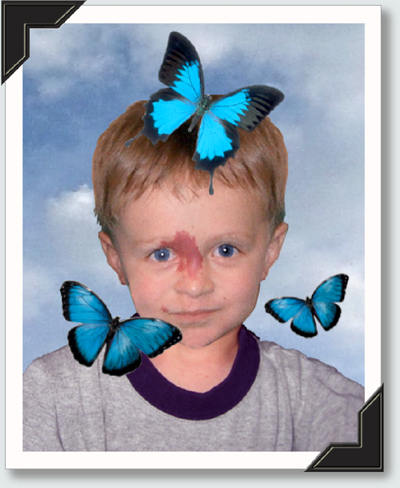
photo-plaque